Competitive Cycling, How To Get Involved and Start Racing
Getting into competitive cycling is simpler today than it used to be. The key is to progress
through a few clear stages: build fitness, join the cycling community, and start racing.
1. Choose the Type of Cycling
Competitive cycling has several disciplines. Pick one that fits your interests and terrain.
Road cycling – traditional races on paved roads (most common entry path)
Track cycling – racing on velodromes
Mountain biking (MTB) – cross-country or downhill
Cyclocross – off-road racing with obstacles
Gravel racing – long mixed-terrain races
2. Get the Right Bike and Gear
You don’t need pro equipment at first, but you need something reliable.
Basic starter setup:
Road bike (for most racing pathways)
Helmet (mandatory in races)
Cycling shoes & clipless pedals
Cycling kit (jersey + bib shorts)
Bike computer or tracking app (optional but helpful)
Brands like Specialized, Trek, and Giant make beginner-to-pro level bikes.
3. Join a Cycling Club
This is the fastest way to enter the competitive scene.
Benefits:
Group training rides
Race advice
Access to local races
Coaching
In the UK, most racers join clubs affiliated with British Cycling.
4. Get a Racing License
To compete in official races you usually need a license.
In the UK:
Register with British Cycling
Start with Category 4 races (entry level)
Earn points to move up categories
This structured system lets beginners compete safely.
5. Train Specifically for Racing
Casual riding won’t be enough for competition.
Focus on:
Endurance rides (2–4 hours)
Intervals (speed and power)
Hill repeats
Group rides for tactics
Many riders train using platforms like Strava or Zwift.
6. Start With Local Races
Your first races will probably be:
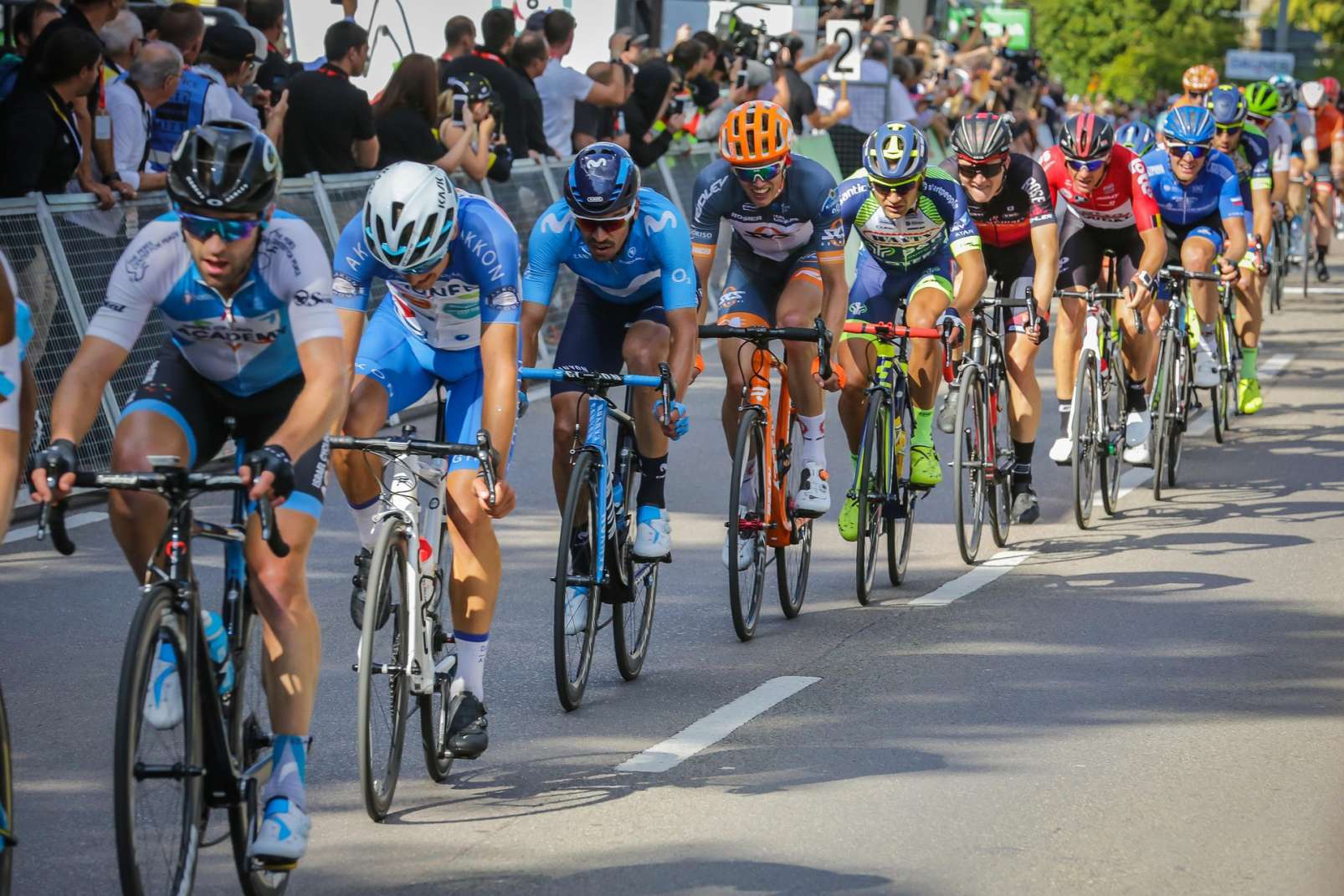
Crit races (criteriums) – short laps, fast
Local road races
Time trials
Expect a learning curve: positioning, drafting, and race tactics are skills you only
learn in races.
7. Consider Coaching
A cycling coach can help with:
Structured training plans
Power-meter analysis
Race strategy
Serious amateurs often use power meters to measure watts.
Typical beginner pathway:
Buy/borrow a road bike
Join a cycling club
Ride regularly for 3–6 months
Get a racing license
Enter your first criterium
Many competitive cyclists start in their late teens or even 20s