Early beginnings (late 1800s)
Electric bicycles predate modern petrol motorcycles.
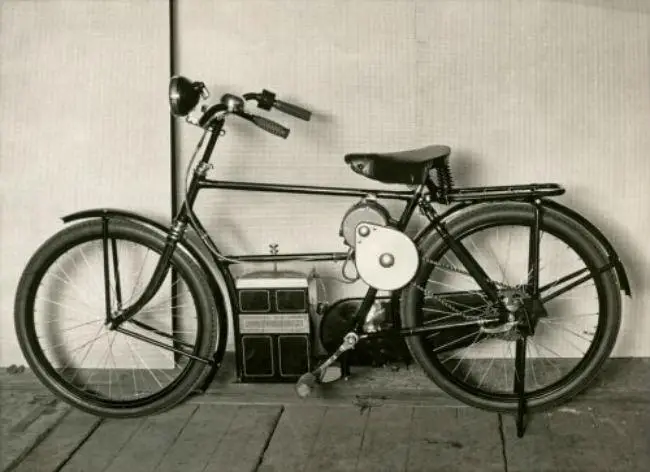
In the 1890s inventors in the USA and Europe filed patents for bicycles powered by battery-driven electric motors.
1895: Ogden Bolton Jr. patented a battery-powered bicycle with a hub motor.
1897: Hosea W. Libbey designed an electric bicycle with a motor fitted in the crank area.
These early e-bikes were somewhat limited by heavy batteries and only basic electrical technology.
Decline in the early 20th century
As petrol engines became cheaper and more powerful, electric bikes lost their popularity.
Bicycles remained human-powered, while motorcycles and cars dominated motorized transport.
Revival (1970s–1990s)
Interest returned during the 1970s oil crisis, when alternative transport gained attention.
Improvements in electric motors and battery technology (nickel-cadmium and later nickel-metal hydride) made e-bikes more practical.
In the 1990s, Japanese and European manufacturers began producing commercial e-bikes.
Modern electric bicycles (2000s–present)
The introduction of lithium-ion batteries revolutionized e-bikes: Lighter weight. Longer range. Faster charging.
Pedal-assist systems (where the motor helps only when pedaling) became standard.
Governments began defining legal classifications for e-bikes, boosting adoption.
Today
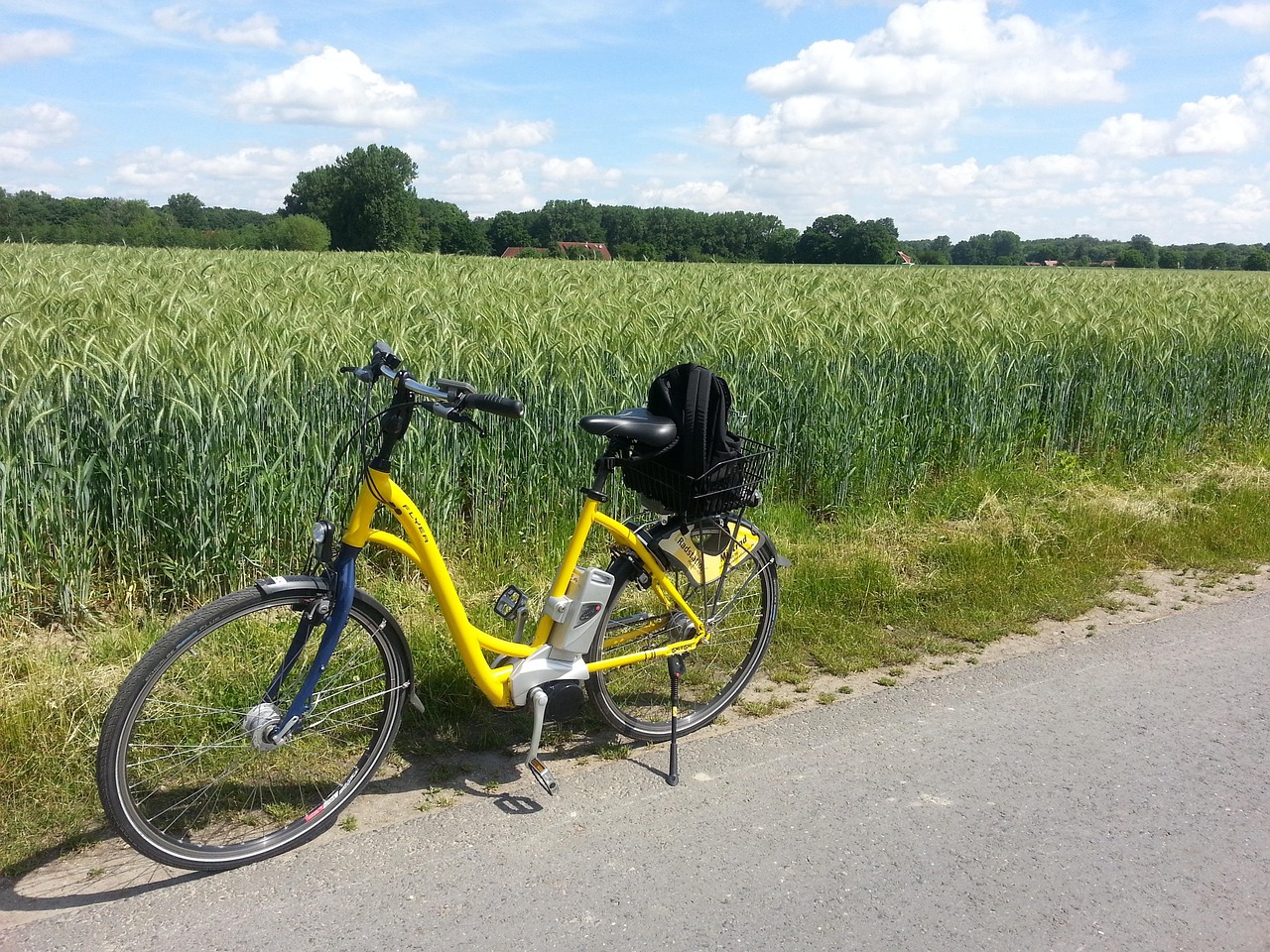
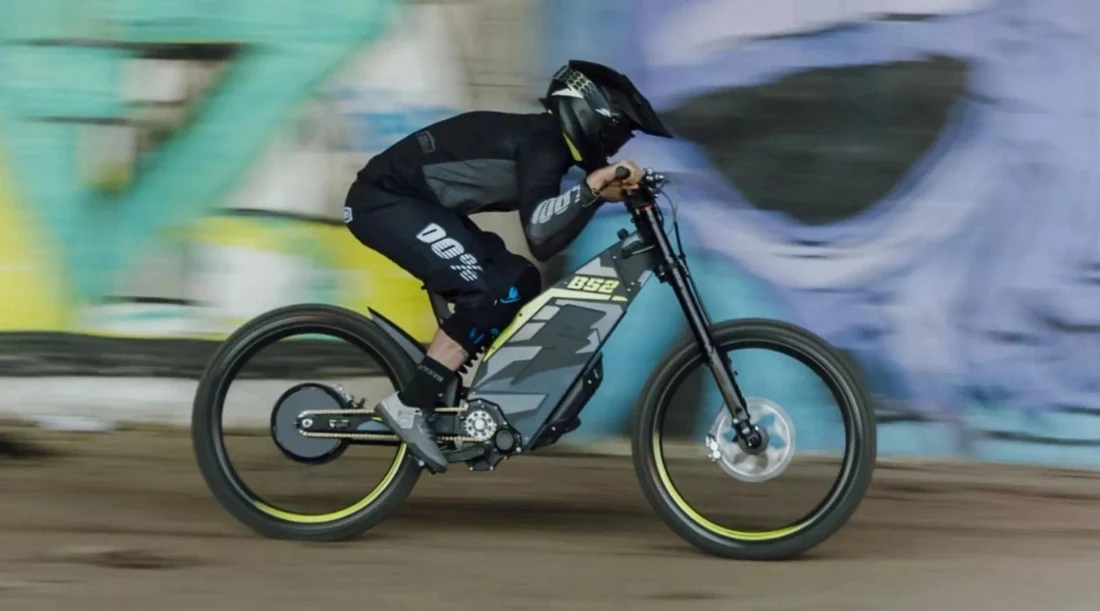
Electric bicycles are widely used for: Urban commuting. Cargo transport. Recreation and fitness.
They play a major role in sustainable transportation, especially in Europe and Asia.
Modern e-bikes integrate smart displays, GPS, regenerative braking, and connectivity.
In short
Electric bicycles are not a new invention—they’re over 125 years old. What’s new is the technology that finally made them efficient, affordable, and mainstream.