The History of Dawes Bikes: A British Cycling Heritage
Dawes Cycles is one of the most respected names in British cycling — a brand whose story stretches back over a century and has influenced generations of riders. Dawes is best known for its touring bikes and of course the iconic Galaxy series, Dawes has navigated changes in technology, ownership, and global manufacturing while retaining a reputation for quality.
Early Years: From Motorcycle Roots to Bicycle Makers
The Dawes story begins in 1906 in Birmingham, England, when Major Ernest Humphries and Charles F. Dawes founded the Humphries and Dawes Company. Initially this business produced motorcycles and a limited number of bicycles — a common combination in the early days of motorised and pedal-powered transport.
After two decades Humphries focused on motorcycles whilst Dawes turned his attention to bicycle manufacturing. In 1926, Dawes Cycles Ltd. was established in Wharf Dale, Tyseley.
Building a Reputation: Quality and Innovation
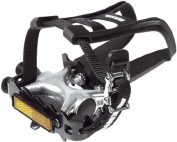
From its early decades, Dawes positioned itself as a maker of quality racing and touring bicycles. They didnt only manufacture the frames but also many components such as brakes units, pedals etc. The “Courier” was an early Dawes model, launched for the 1951 Festival of Britain. This features a lightweight frame with a state-of-the-art ten-gear system. The Courier was clearlyt aimed at the touring market.
The Dawes Galaxy
In 1971, Dawes introduced the legendary Galaxy touring bike. The Dawes Galaxy featuring wide-ratio gears and Reynolds 531 tubing. It was a mass produced ready-made touring bike at a time when many touring bikes were custom-built and expensive. Over decades, the Galaxy range expanded and included different components and frames.
Challenges and Changes: Ownership and Production
For much of its history, Dawes remained a family-run company. Charles Dawes handed control to his son Wilfred around 1930, who later passed it to his own son Richard in the 1970s. However, in the late 1970s the business encountered financial pressures and a series of different owners. By the mid-1980s, the company was reduced to a small workforce in a fading Tyseley factory.
In 1990, Dutch firm ATAG bought Dawes, closed the Birmingham factory, and shifted production to the Far East to reduce costs. Gareth Industries acquired the brand later in the 1990s before selling it to Tandem Group plc in 2001.
Today, Dawes bikes are designed and developed in Birmingham, though production takes place overseas. The brand continues to evolve with modern biking trends, including mountain, hybrid, and e-bike models.
Beyond Touring Bikes
While touring bikes remain the heart of Dawes history, the company have made other notable bikes. The Edge One was one of the first single-speed mountain bikes. Dawes have now branched out into other market segments such as folding bikes, hybrids and electric bikes.
Conclusion
Dawes bicycles such as the Galaxy now have a bit of a cult following with vintage models becoming collectable. Whilst the manufacturing of Dawes bicycles has moved abroad Dawes is still very much considered a classic British bicyle brand.