What Are Tiger Crossings for Cyclists?
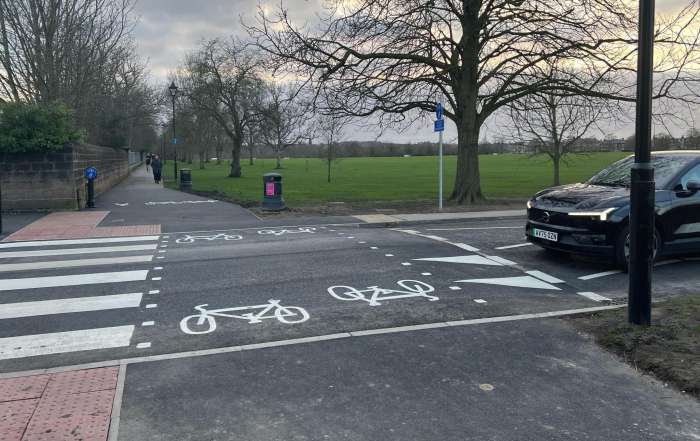
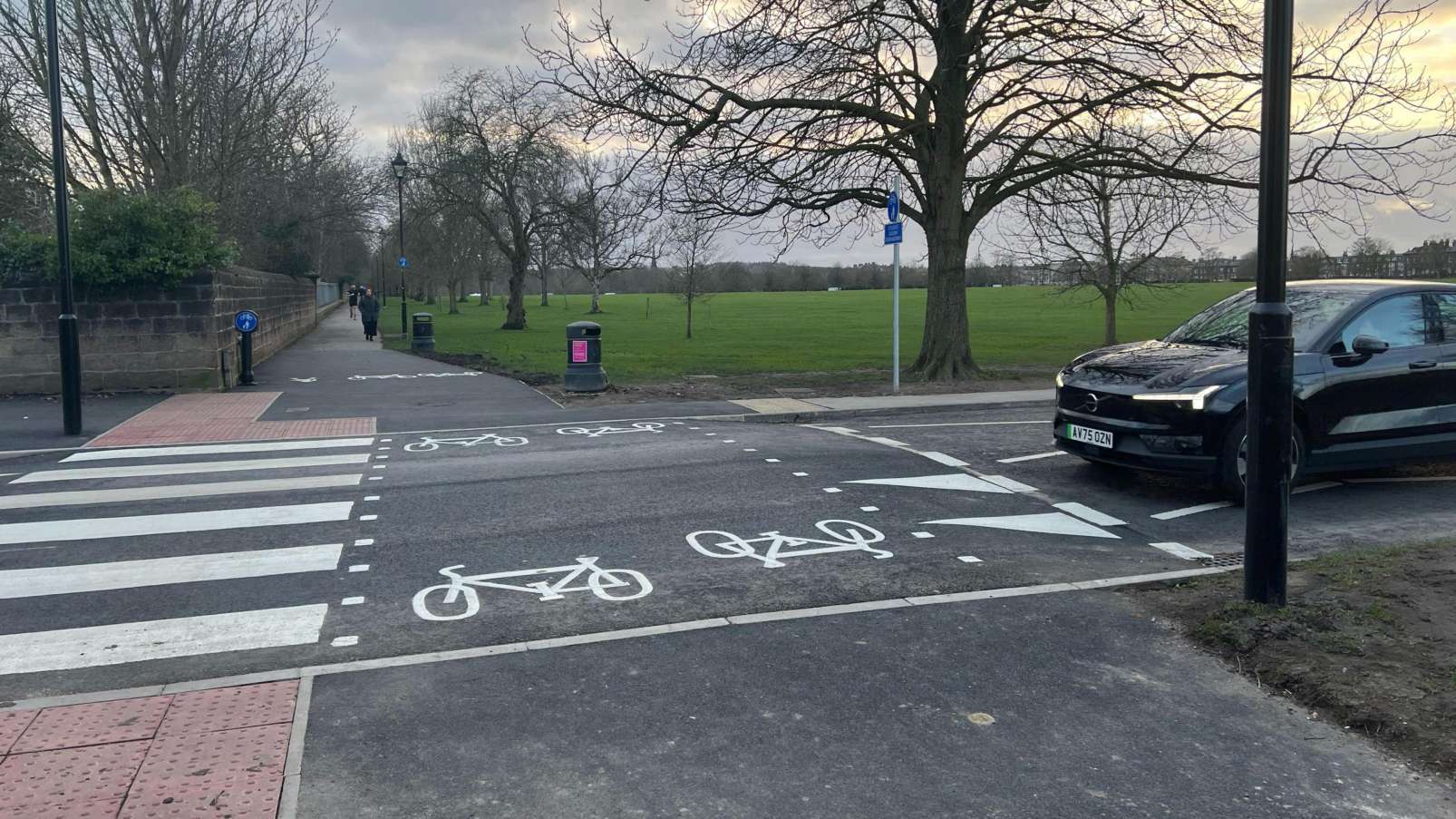
Tiger crossings are a relatively new road crossing design in the UK that allows cyclists and pedestrians to cross roads safely without dismounting. They are also known as parallel crossings, combining a pedestrian zebra crossing with a dedicated cycle crossing alongside it.
The crossing typically features black and yellow stripes and clear cycle markings, requiring drivers to give way to both pedestrians and cyclists using the crossing.
Tiger crossings were introduced as part of efforts to improve cycling infrastructure and promote safer, more sustainable transport in urban areas.
How Tiger Crossings Work
Tiger crossings operate similarly to zebra crossings but include a separate priority lane for cyclists.
Key features include:
Parallel pedestrian and cycle crossing lanes
Priority given to cyclists and pedestrians
No need for cyclists to dismount
Clear road markings and signage
Often installed on cycle routes and urban streets
These crossings help maintain the flow of cycle traffic while improving safety for non-motorised road users.
Pros of Tiger Crossings for Cyclists
1. Improved Safety
Tiger crossings provide a dedicated crossing space for cyclists, reducing conflicts with vehicles and making roads safer.
2. Cyclists Don’t Need to Dismount
Unlike traditional zebra crossings, cyclists can remain on their bikes, making journeys smoother and more efficient.
3. Encourages Cycling
By making cycling safer and more convenient, tiger crossings support active travel and environmentally friendly transport.
4. Better Traffic Flow
Tiger crossings can be cheaper and easier to install than signal-controlled crossings, reducing delays for all road users.
5. Clear Road Priority
Drivers are clearly instructed to give way, improving awareness and reducing confusion.
Cons of Tiger Crossings for Cyclists
1. Lack of Public Awareness
Many drivers are unfamiliar with tiger crossings, which can lead to hesitation or unsafe behaviour.
2. Limited Rollout
Tiger crossings are still relatively rare in the UK and are mainly found in selected cities and cycle routes.
3. Risk of Poor Design
Some crossings may be poorly positioned, forcing cyclists into unsafe visibility angles or confusing road layouts.
4. Not Suitable for Busy Roads
Tiger crossings work best on lower-speed roads, while signal-controlled crossings may be safer for high-traffic areas.
5. Driver Confusion
Because they look similar to zebra crossings, drivers may not immediately recognise that cyclists also have priority.
Why Tiger Crossings Matter
Tiger crossings are part of the UK’s wider strategy to promote safer cycling and reduce reliance on cars. By giving cyclists and pedestrians priority at crossings, they help create more bike-friendly cities and safer urban environments.
As cycling continues to grow in popularity, tiger crossings are likely to become more common across UK roads.