Top Tips for Bicycle Hire on Holiday – The Complete Guide to Renting a Bike Abroad
p>Hiring a bicycle while on holiday is one of the easiest ways to explore a new destination. Whether you’re planning a cycling holiday in Mallorca, Tenerife, Girona, the Alps or anywhere else in Europe, renting a quality bike can save airline fees, reduce travel stress and let you ride some of the world’s best roads.
However, not every hire bike is equal. Taking a few minutes to check the bike before setting off can save you from mechanical problems, discomfort and expensive repair bills later.
These simple bicycle hire tips will help you enjoy a safe, comfortable and memorable cycling holiday.
1. Reserve Your Bicycle Before You Travel
The best hire bikes are often booked months in advance, especially during the spring and summer cycling season. If you’re travelling to popular cycling destinations such as Mallorca, Girona, Lanzarote or the French Alps, reserve your bike as early as possible.
Booking ahead gives you a much better chance of getting the correct frame size and your preferred groupset.
2. Choose the Correct Frame Size
Bike fit is the most important factor when hiring a bicycle.
Never accept a bike that feels too large or too small. Even slight differences in frame size can become uncomfortable after several hours in the saddle.
If you’re unusually tall or short, contact the hire company before travelling to make sure they have a suitable bike available.
3. Bring Your Own Contact Points
Even if you’re renting a premium road bike, it’s worth taking a few familiar items with you:
- Your pedals
- Your cycling shoes
- Your saddle
- Bike computer mount
- Heart rate monitor
- GPS device
Your own contact points make the bike feel much more familiar and significantly improve comfort during longer rides.
4. Check the Carbon Frame Carefully
Many holiday hire bikes are carbon fibre. Cosmetic paint chips are common and usually nothing to worry about.
However, inspect the frame carefully before accepting the bike.
- Look for cracks around joints.
- Check the fork blades.
- Inspect the chain stays.
- Examine the bottom bracket area.
If you notice any suspicious damage, ask for another bike. A reputable hire company will always prefer replacing a bike rather than risking rider safety.
5. Perform a Quick Safety Inspection
Before leaving the shop, spend two minutes checking the bike.
- Test both brakes.
- Check that both wheels spin freely.
- Inspect tyre condition.
- Ensure the gears shift smoothly.
- Check that the headset is tight.
- Make sure the cranks have no movement.
- Confirm quick-release skewers or thru-axles are secure.
Most hire companies maintain their bikes well, but a quick inspection provides peace of mind before a long ride.
6. Check the Brake Configuration
If you’re travelling from the UK, remember that many European bikes have the front brake operated by the left-hand lever rather than the right.
Spend a few minutes riding somewhere quiet until the controls become second nature.
7. Adjust the Bike Properly
Don’t rush away from the shop.
Take time to adjust:
- Saddle height
- Saddle setback
- Handlebar angle
- Brake lever position
- Tyre pressure
A properly adjusted bike will make climbing easier, improve efficiency and reduce fatigue.
8. Understand the Insurance Cover
Many cyclists are surprised to discover that bicycle hire insurance is often limited or optional.
Before riding away, ask:
- Is theft covered?
- What happens if the bike is damaged?
- Is there an excess payment?
- Does travel insurance include bike hire?
If you’re renting a high-end carbon road bike worth several thousand pounds, understanding your liability is essential.
9. Carry the Essentials
Even on a hire bike you should carry basic ride essentials.
- Water bottles
- Nutrition
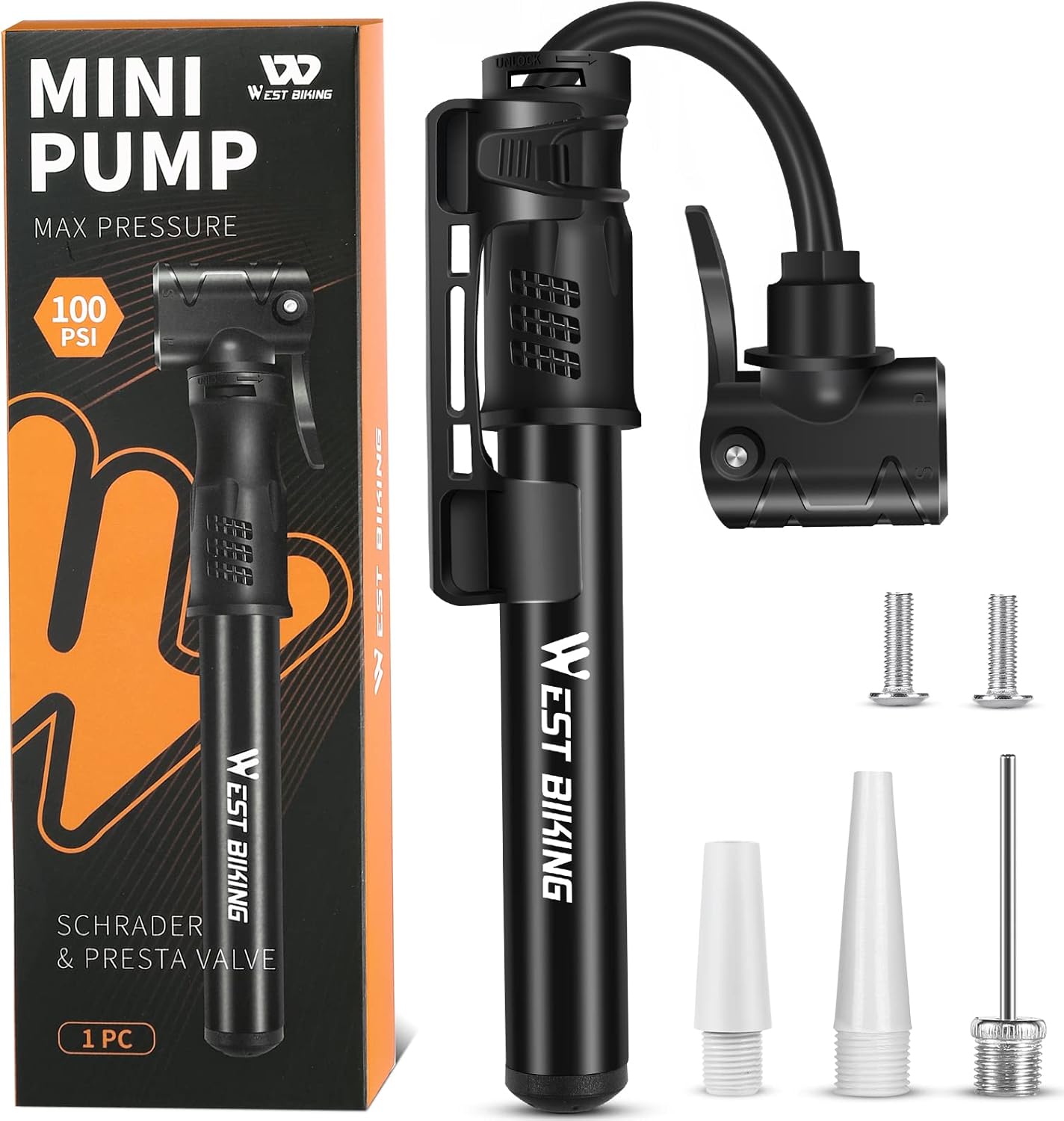
- Mini pump or CO₂ inflator
- Inner tube
- Tyre levers
- Multi-tool
- Mobile phone
- ID and emergency contact details
10. Learn the Local Road Rules
Every country has different cycling laws and road etiquette.
Take a few minutes before your first ride to understand local traffic rules, priority systems and any regulations regarding helmets or lights.
11. Plan Your Route Before You Ride
Download your route onto your GPS device before leaving your accommodation.
Many cycling destinations have spectacular roads that are easy to miss if you’re relying solely on roadside signs.
12. Enjoy the Ride
One of the biggest advantages of hiring a bicycle on holiday is travelling light.
You avoid transporting your own bike, reduce airline baggage fees and often get to ride a modern, well-maintained machine that’s perfect for the local terrain.
With a little preparation, hiring a road bike abroad can be one of the highlights of your holiday.
Frequently Asked Questions
Should I hire a bike or take my own?
If you’re riding for just a few days, hiring is often cheaper and much more convenient. For longer cycling holidays, taking your own bike may become more economical depending on airline charges and rental prices.
What should I bring when hiring a road bike?
Bring your pedals, cycling shoes, helmet, GPS computer, water bottles and, if possible, your own saddle for maximum comfort.
Can I hire carbon road bikes?
Yes. Most specialist cycling destinations now offer carbon road bikes from leading manufacturers in a range of sizes.
Is bike hire insurance worth buying?
If you’re hiring an expensive road bike, additional insurance is usually worthwhile and can protect you from unexpected repair or replacement costs.
Final Thoughts
Hiring a bicycle on holiday is one of the easiest ways to enjoy some of the world’s most beautiful cycling routes. By choosing the correct size, carrying your own contact points, checking the bike thoroughly and understanding the insurance, you’ll spend less time worrying and more time enjoying the ride.