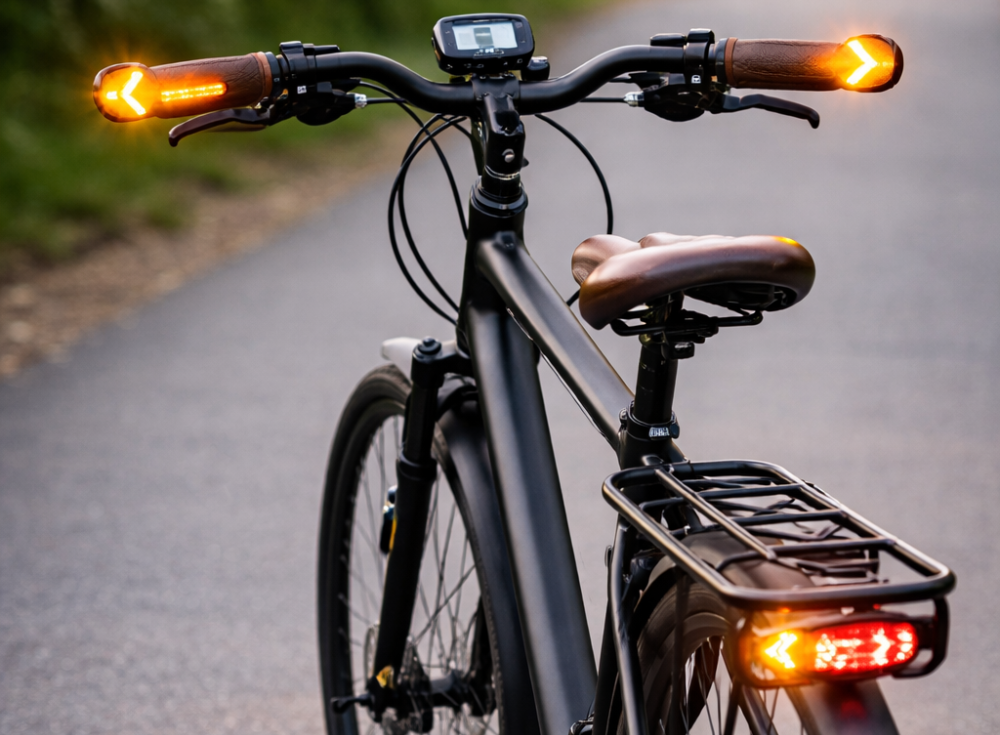
As cities increasingly adopt micromobility—ie bicycles and electric scooters—questions around safety regulations are intensifying. One of the most debated proposals is whether indicators (signal lights) should be compulsory on these vehicles.
Currently, in the UK, cycles rely on hand signals, while most e-scooters lack built-in indicators. With growing use and accident concerns, policymakers, manufacturers, and users are divided on whether mandatory indicators would improve safety or create new problems.
E-scooters are being trialled in the UK and are allowed in cycle lanes and roads (not pavements)
They operate similarly to bicycles in terms of road positioning and speed
However, many e-scooters do not include indicators, making communication with other road users harder
Arguments FOR Mandatory Indicators
1. Improved Road Safety
- Indicators provide clear, visible signals of a rider’s intention, especially in busy urban traffic.
- Key point: Indicators reduce ambiguity compared to hand signals.
2. Better Visibility in Traffic
- Small vehicles like bikes and scooters are already less visible than cars
- LED indicators could improve visibility at night or in poor weather
- Particularly important in cities like London with dense mixed traffic.
3. Accessibility & Inclusivity
- Hand signals are not always practical for:
- Riders with disabilities
- People carrying loads (e.g. delivery riders)
- Indicators could make micromobility more inclusive.
4. Alignment with Motor Vehicle Standards
- As regulations tighten (e.g. proposals for cycling offences), policymakers are increasingly treating micromobility more like other road users
- Indicators could be part of a broader push toward standardisation.
Arguments AGAINST Mandatory Indicators
1. Cost and Manufacturing Burden
- Retrofitting existing scooters and bikes could be expensive
- Industry stakeholders warn it could reduce supply or increase prices
- Particularly problematic for shared scooter schemes.
2. Practical Limitations
- Indicators on small vehicles may be:
- Too low to be seen clearly
- Too close together to distinguish left vs right
- Community feedback highlights visibility issues:
- “Lights… not wide enough to be distinctive”
3. Stability Concerns
- Using controls for indicators may distract riders
- On e-scooters, balance is already a challenge
- Research shows signalling itself can affect control and safety during manoeuvres
- 4. Existing Hand Signals Work (for Bikes)
- Cyclists have long used hand signals effectively:
- No technology required
- Universally understood
- Critics argue indicators are unnecessary duplication.
5. Enforcement Challenges
- Unlike cars, bikes and scooters often lack registration
- Difficult to enforce compliance consistently
- Without enforcement, mandates may have limited impact.
- E-scooters currently lack reliable signalling systems, making them harder to predictReports suggest adding features like indicator lights could improve stability and safety perception
Balanced View: The Real Debate
The issue isn’t simply “indicators vs no indicators”—it’s about how micromobility fits into modern transport systems.
Key tension:
- Safety advocates: Want clearer signalling and reduced accidents
- Industry & users: Want affordability, simplicity, and flexibility
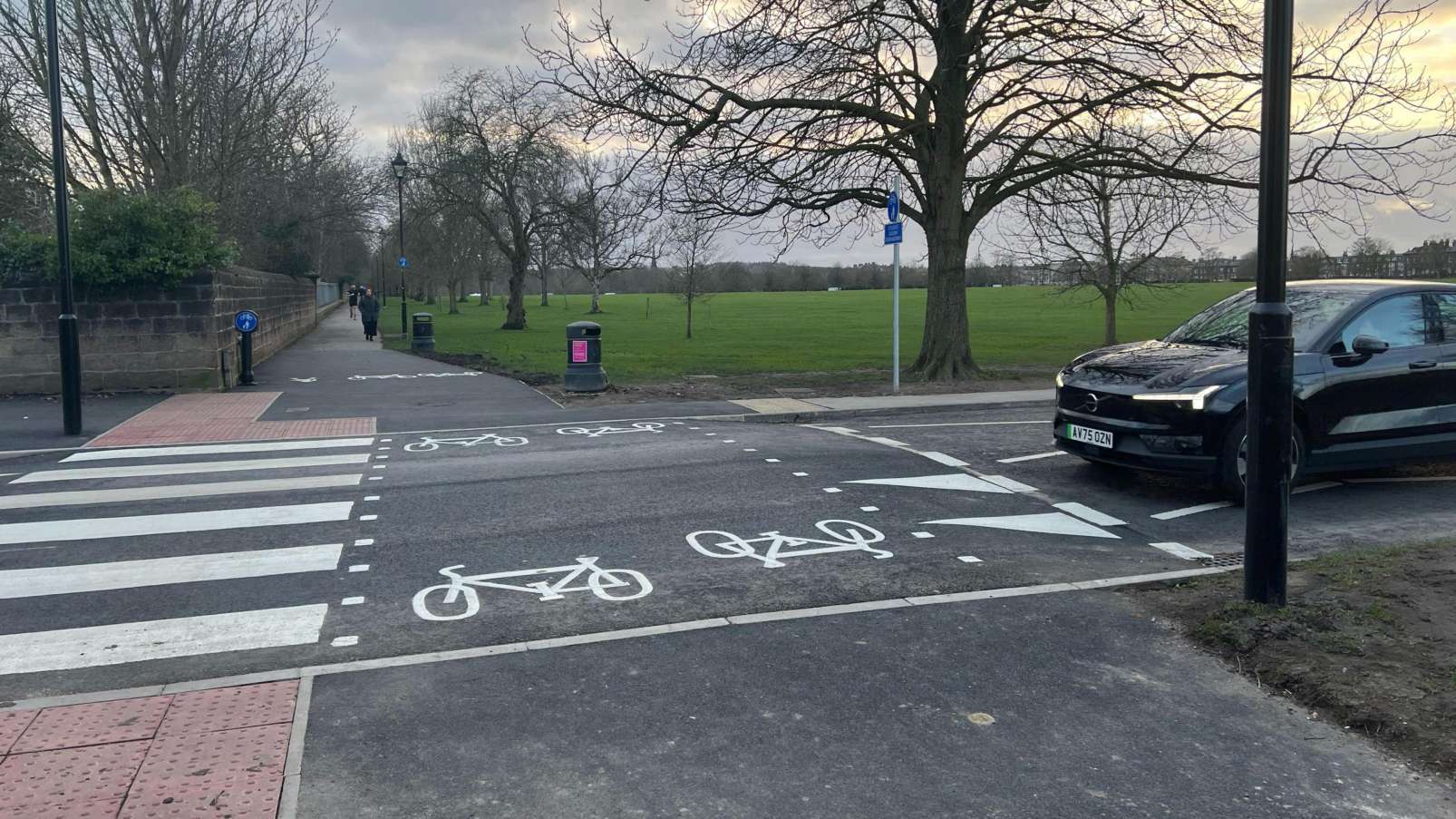
- Evidence suggests infrastructure (like cycle lanes) may have a greater impact on safety than vehicle features alone. For example, accident increases are lower in cities with strong cycling infrastructure
This suggests indicators may help—but are not a complete solution.
Conclusion
Making indicators compulsory on bicycles and e-scooters could improve communication and safety, particularly in dense urban environments. However, challenges around cost, practicality, visibility, and enforcement mean that mandatory implementation is far from straightforward.
A more realistic approach may include:
- Optional or incentivised indicators
- Improved design standards
- Better infrastructure and rider education