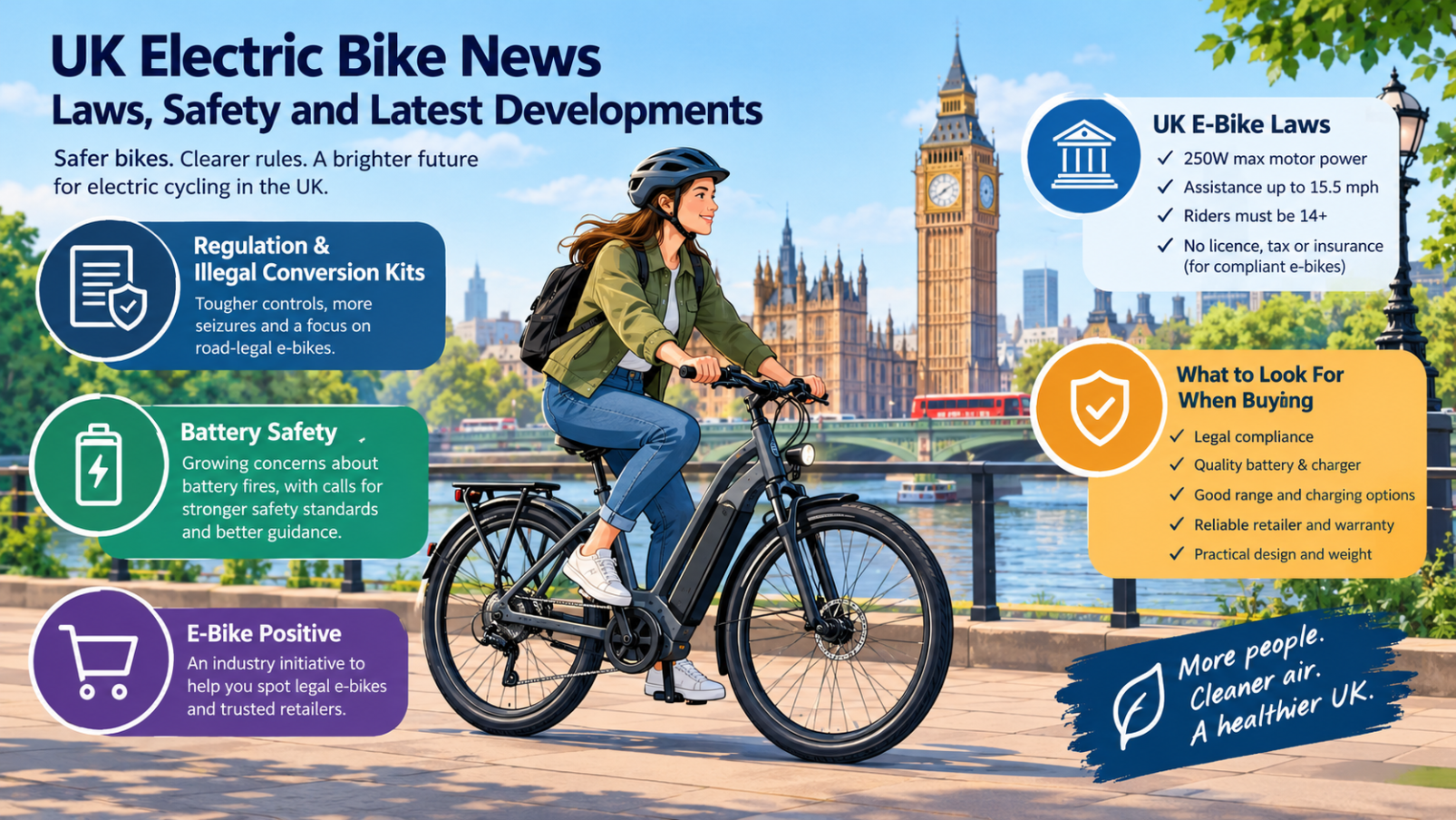
There are several different types of bicycle helmets available, each designed with particular styles of cycling in mind. The right choice depends on how and where you ride, the level of ventilation you require and the features that are important to you.
Road Cycling Helmets
 Road bike helmets are designed for cyclists who enjoy road riding, club cycling, sportive events and longer distances. They typically feature lightweight construction, aerodynamic shaping and ventilation channels to help keep your head cool during demanding rides.
Many road cycling helmets have an adjustable retention system to help achieve a secure and comfortable fit. Premium models may also incorporate advanced materials and additional impact-management technologies.
Mountain Bike Helmets
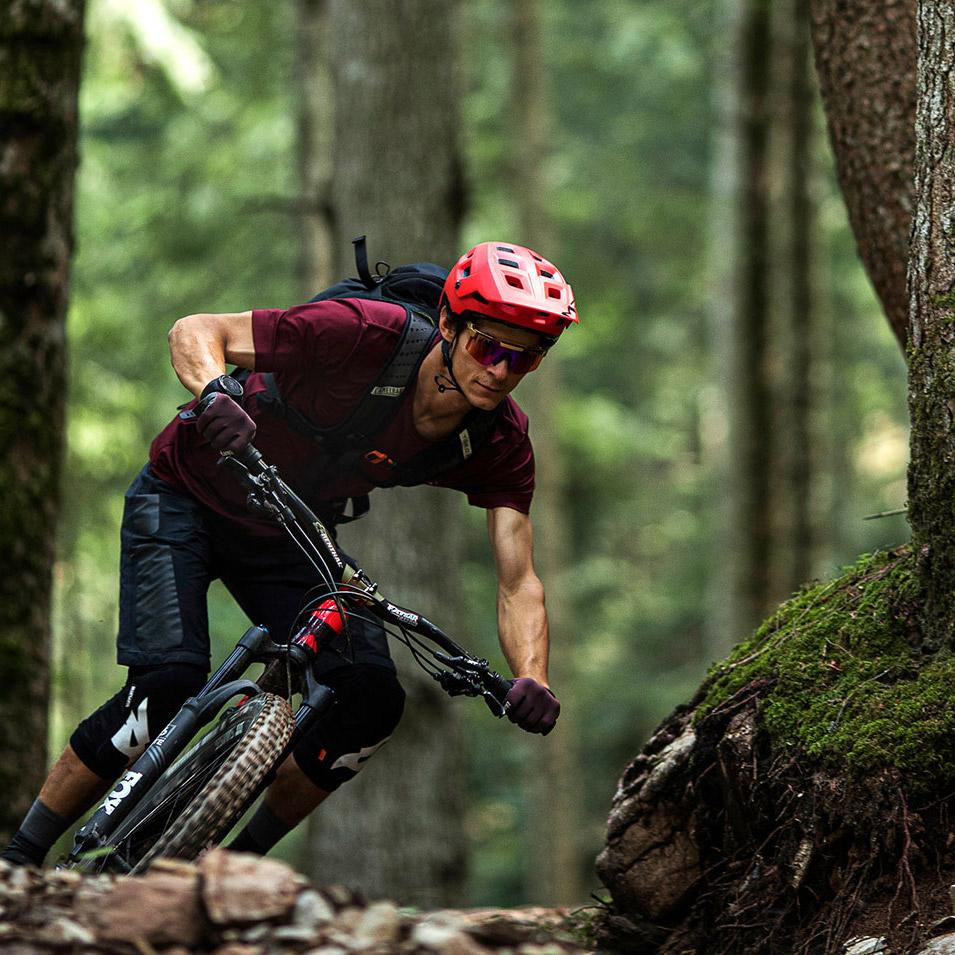 Mountain bike helmets are designed for off-road riding, trail cycling and cross-country adventures. They often provide additional coverage around the rear of the head compared with traditional road helmets.
Many MTB helmets feature a removable or adjustable peak to help shield your eyes from sunlight, mud and overhanging vegetation. Ventilation and a secure fit are important considerations when riding challenging trails.
Commuter and City Cycling Helmets
Commuter bike helmets are ideal for everyday journeys, travelling to work and cycling around town. Practical features can include integrated rear LED lights, reflective details, adjustable straps and comfortable padding.
A helmet with an integrated light can be particularly useful for increasing visibility, although it should not replace the legally required bicycle lights on your bike when cycling at night.
Lightweight Bicycle Helmets
Weight and comfort are important when choosing a cycling helmet, particularly if you regularly ride longer distances. Lightweight helmets can help reduce the feeling of bulk while providing ventilation and a secure fit.
Consider the helmet’s construction, adjustment system and ventilation when comparing different models. The lightest helmet is not necessarily the best choice if it does not fit your head properly.
Adult Cycling Helmets with LED Lights
Some modern bicycle helmets feature integrated LED lighting to improve rider visibility. These lights may be rechargeable using USB connections and can offer different lighting modes.
Integrated lights are a useful additional feature for commuters and cyclists who regularly ride in changing light conditions. Remember that helmet lights are supplementary and do not replace the required front and rear bicycle lights.
What to Look for When Buying a Bike Helmet
Before buying a new bicycle helmet, consider the following features:
Correct fit: Choose a helmet that matches your head circumference and sits securely without excessive movement.
Safety standards: Check the manufacturer’s specifications and look for a helmet conforming to the appropriate recognised cycling helmet standard, such as EN 1078.
Adjustability: An adjustable retention system and chin straps help achieve a secure fit.
Ventilation: Air vents and internal channels help circulate air and improve comfort.
Weight: Lightweight construction can make a helmet more comfortable on longer rides.
Visibility: Reflective details and integrated LED lights can be useful for commuting.
Visor: Some helmets feature removable peaks for additional protection from sunlight and trail debris.
Padding: Comfortable internal padding helps improve the fit and can often be removed for cleaning.
How Should a Cycling Helmet Fit?
A cycling helmet should sit level on your head, covering the forehead without obstructing your vision. It should feel snug and secure without creating uncomfortable pressure points.
Adjust the retention system so that the helmet remains in position when you move your head. The side straps should form a V shape around your ears, while the chin strap should be securely fastened with enough room for comfortable movement.
Always follow the fitting instructions supplied by the manufacturer. A correctly sized and securely fastened helmet is an important part of cycling safety.
When Should You Replace a Bicycle Helmet?
A bicycle helmet should be replaced following an impact or accident, even if there is no obvious external damage. The protective materials inside the helmet may have been compromised.
You should also regularly inspect your helmet for cracks, damaged straps, loose fittings and deterioration. Follow the manufacturer’s advice regarding replacement and storage.